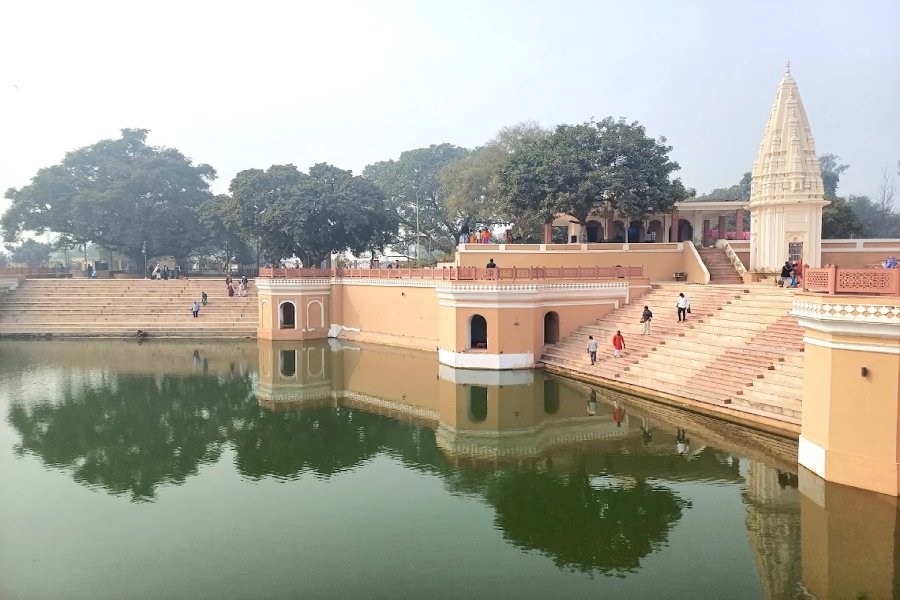
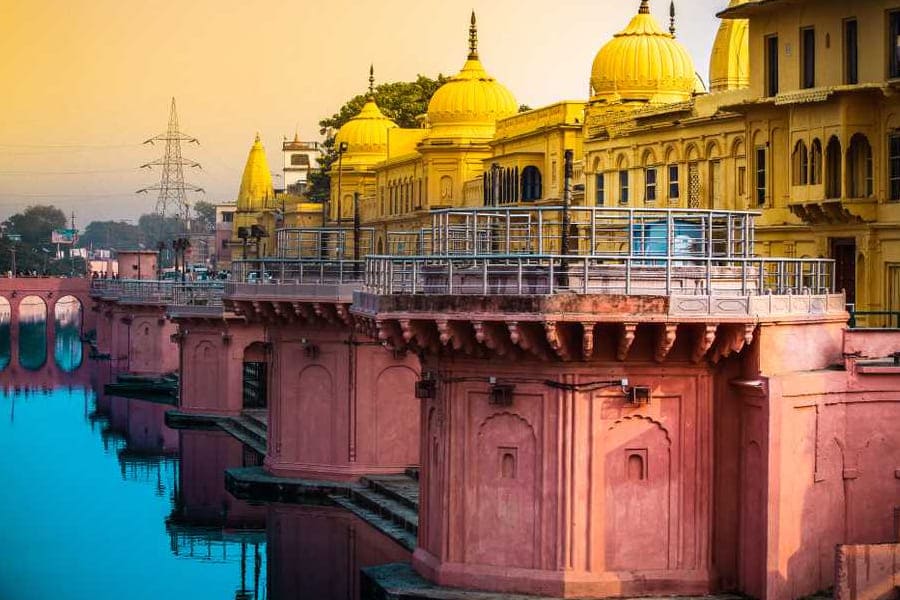
Ram Janmabhoomi Ayodhya attracts visitors with its grand Ram Temple architecture, divine atmosphere, and deep spiritual significance. The intricate carvings, beautiful lighting, and serenity of the nearby Saryu River create a truly peaceful experience. Every visitor feels a unique blend of devotion, culture, and history at this sacred destination.
Located in Sai Nagar, Hanuman Garhi is a 10th-century temple dedicated to the Hindu God, Hanuman. It is one of the most important temples in Ayodhya as it is customary to visit Hanuman Garhi before visiting the Ram Temple in Ayodhya. It is believed that Lord Hanuman lived at the temple site guarding Ayodhya.
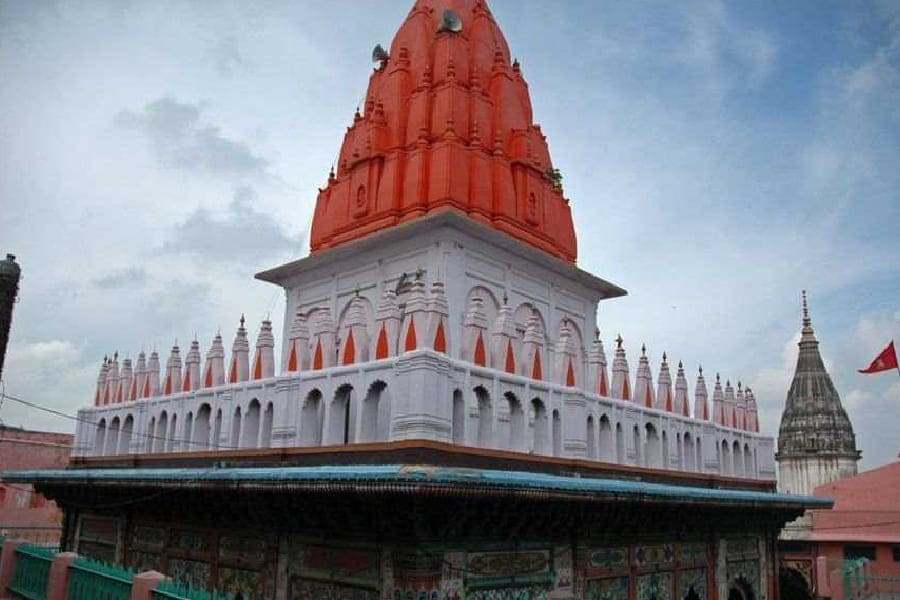
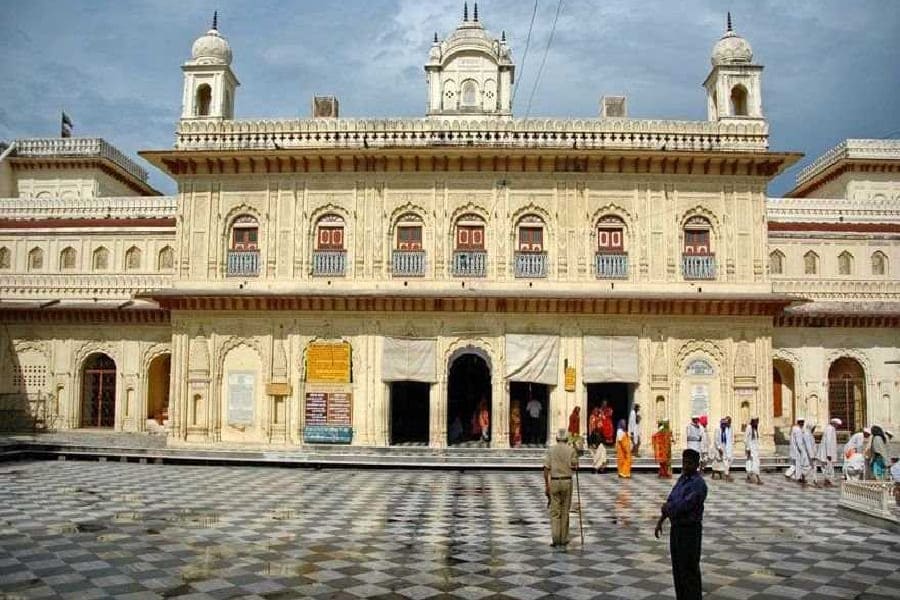
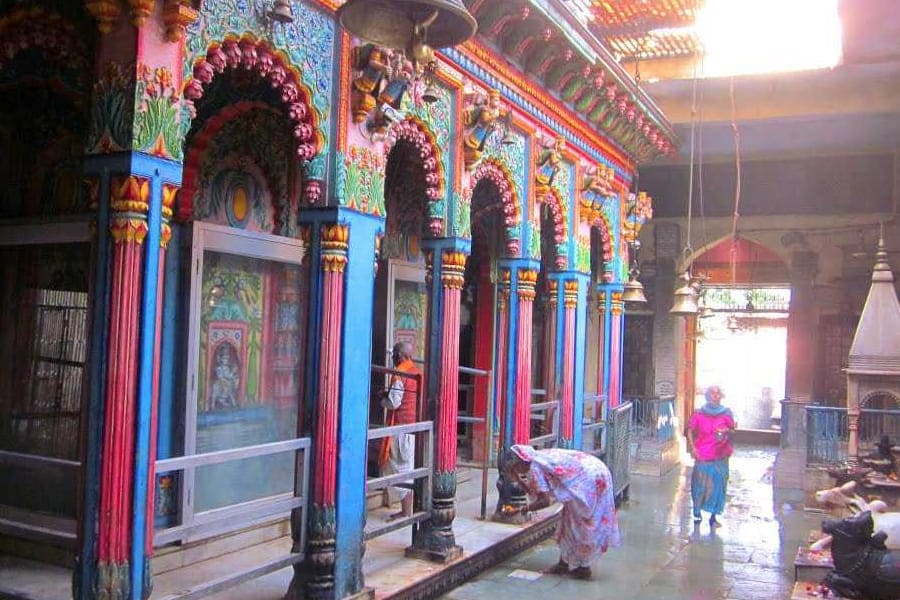
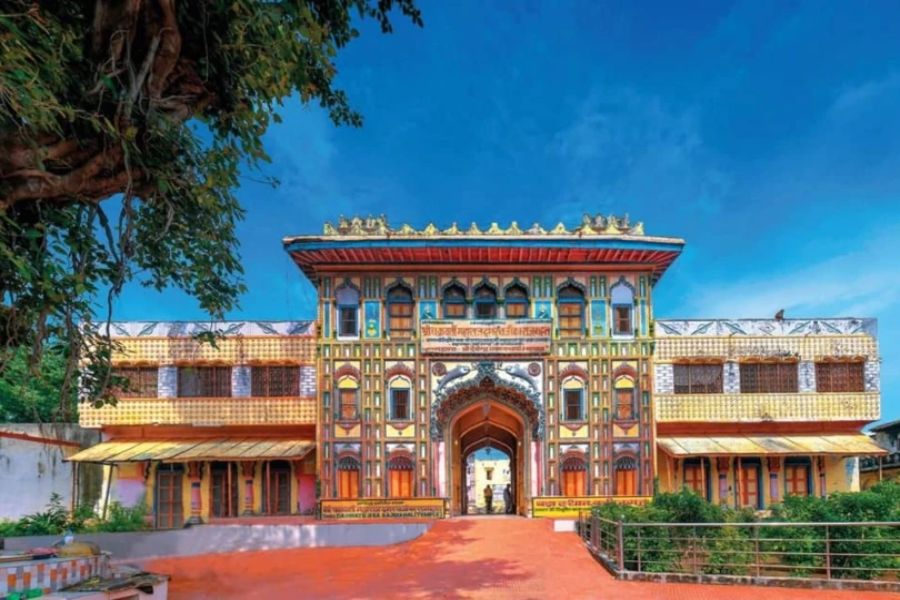
Ayodhya, situated on the banks of Saryu, is famous all over the world in the name of Lord Shri Ram. Dasharatha Mahal, situated at a short distance from the birthplace of Lord Shri Ram, is a famous Siddha Peetha. According to beliefs, King Dasharatha had established this palace in Treta Yuga.
Shri Sita Rasoi Bhojnalaya, Ayodhya is known for its peaceful ambience and traditional flavors that reflect the essence of Ayodhya’s heritage. Visitors enjoy simple, satvik and homely meals prepared with purity and devotion. It offers a serene dining experience that connects people to the cultural and spiritual warmth of the holy city.
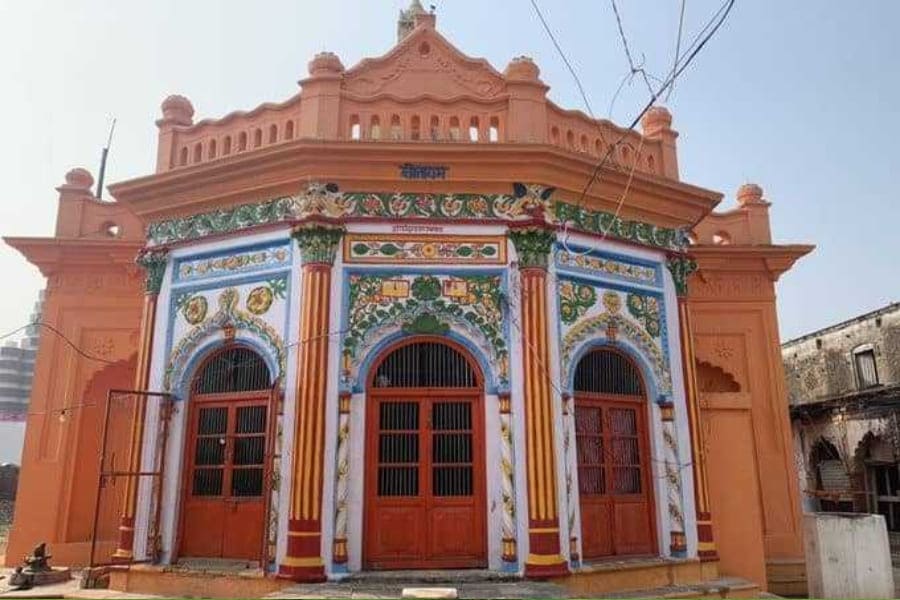
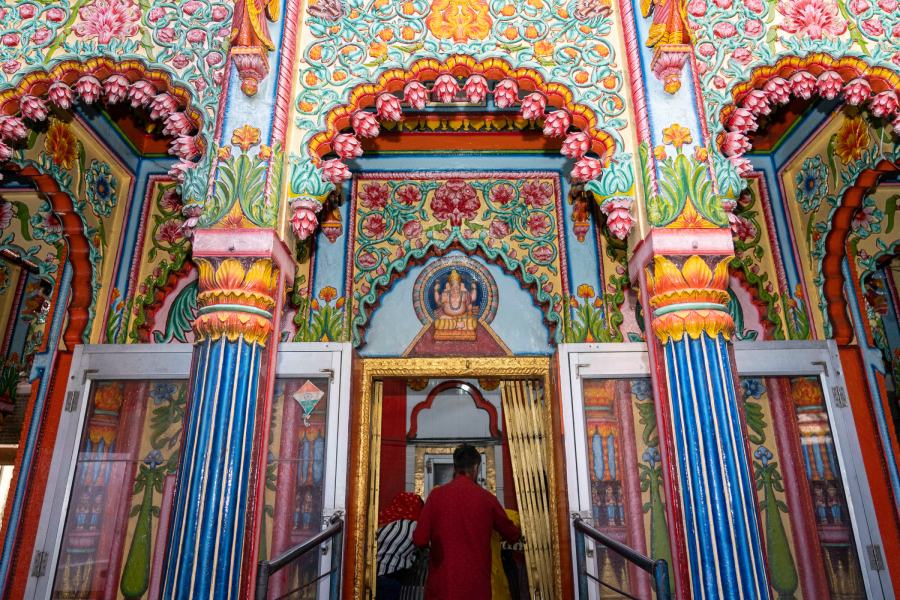
Tulsi Smarak Bhavan Museum. It was founded in 1969 and established in memory of Goswami Tulsidas. Hanuman Chalisa and the Hindu epic Ramcharitmanas are written by the great Hindu poet Tulsidas. This place is believed to be the one where Tulsidas composed the Ramcharitmanas.
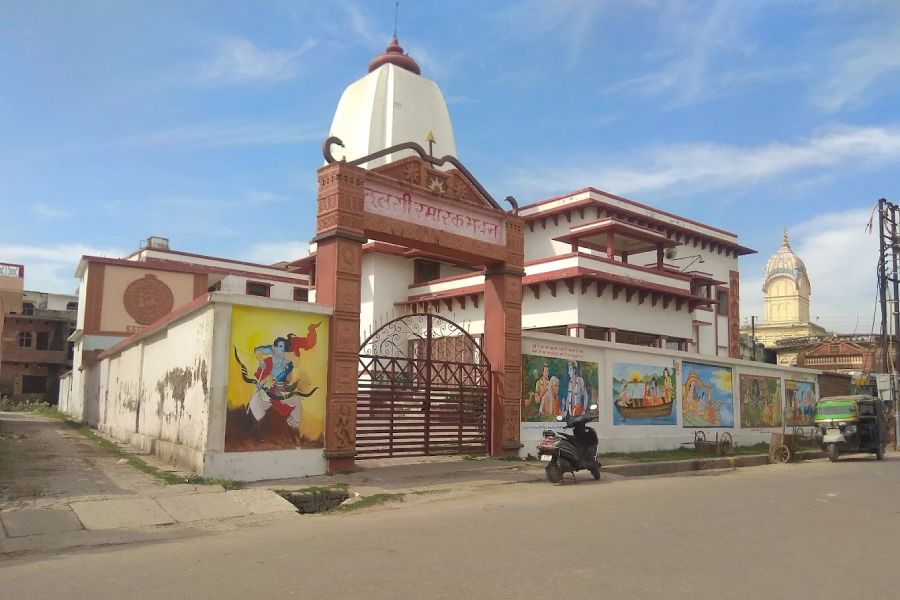
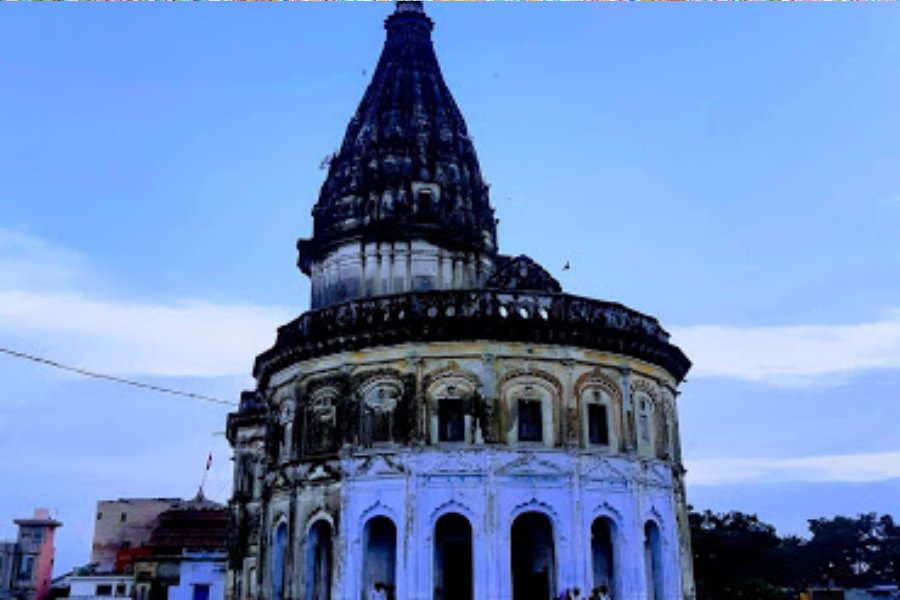
The Ramkatha Museum was established in 1988 at the Tulsi Smarak Bhavan in Ayodhya to collect and preserve artifacts related to Ram Katha, including illustrated manuscripts, sculptures, Ram Leela, and other related art forms. The museum aims to safeguard the archaeological remains, rare cultural heritage.
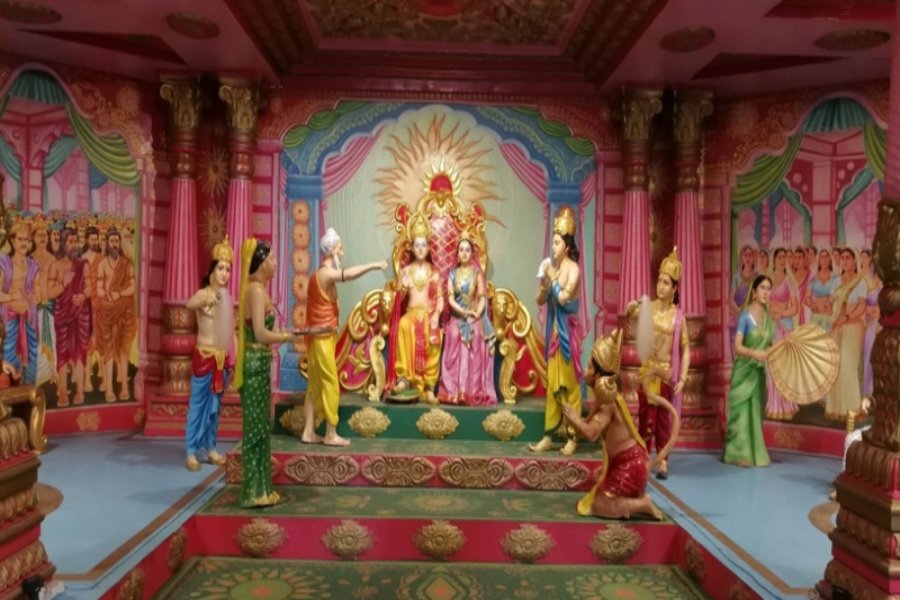
Located on the Chaurasi Kosi Parikrama route in Darshan Nagar, approximately four kilometers from Ayodhya, the Surya Kund and Surya Temple are a center of faith for millions of devotees. It is believed that this Kund was built by the Suryavanshi rulers of Ayodhya. Adjacent to this Kund is a temple dedicated to Lord Surya.